
In the Beginning, There Were Useful Plants…
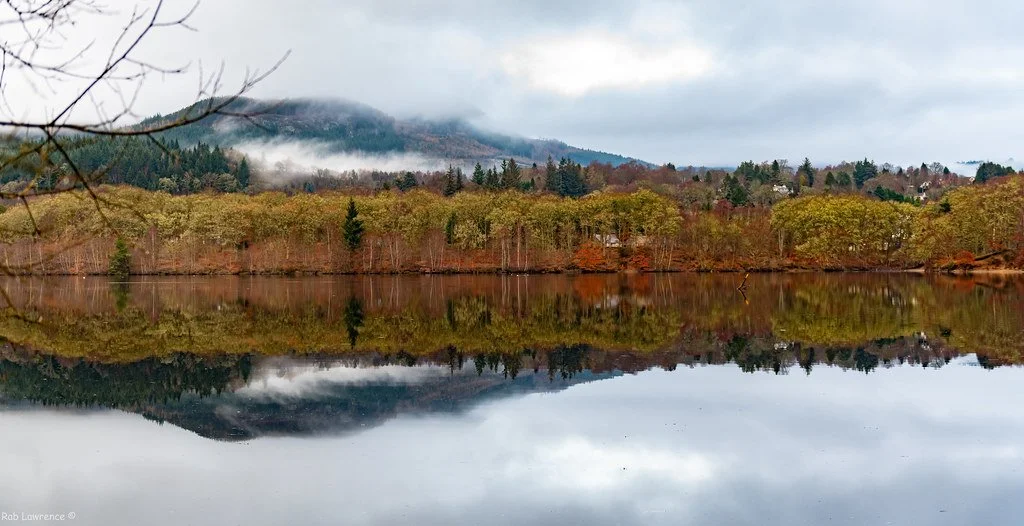
Loch Faskally, Scottish Highlands
Early winter in Highland Perthshire brings misty mornings, quiet light and the scent of pine resin in the air. Along the rocky edges of Loch Faskally, Scots pine, Pinus sylvestris, is a familiar sight. This is Scotland’s national tree, however it is a botanical whose usefulness often goes unnoticed.
Scots pine has long been valued for its strength and scent. Branches were traditionally burned at Hogmanay in Scotland to cleanse the home for the year ahead, and its resinous wood was used to light the darkest of nights.
Historically, pine needle infusions were used across northern Europe as a gentle winter tonic, valued for their fresh, citrus-like flavour and aromatic compounds. Today, science affirms what tradition sensed: the aroma of pine can calm the nervous system and promote steady breathing. Being in the woods, sitting under these majestic and graceful giants, really can be good for you.
And how useful is Scots pine for biodiversity? It is truly one of our most important trees in Scotland for biodiversity alone. A recent study by The James Hutton Institure confirmed that 1,589 species in the UK use Scots pine for food, shelter and medicine. Broken down this equates to 17 different bird species, 130 different bryophytes, 539 different fungi, 420 invertebrates, 468 lichens and 15 mammals. Of these, 199 fungi, 16 invertebrates and 12 lichens depend exclusively on Scots pine for survival. Without this majestic tree, these 127 unique species would simply disappear.
My name is Lisa, and I’m a botanical herbalist based in the Scottish Highlands. My passion is plants and I love to show how they can be useful for community, biodiversity and in-situ landscape health. In this blog, I’ll explore plants that have been deemed useful over the past 2,000 years: in medicine, craft, food, drink, contruction, beauty, religion, and daily life. Stay tuned to find out more on:
Medicinal and cultural plant stories from Scotland’s past and present
Safe plant identification
Seasonal notes to help you recognise what’s growing around you
Highlights of our Workshops and classes
Sensory nature-inspired photos and videos from the beautiful Scottish Highlands
And so, the Useful Plant Journal begins with Scots pine, because for me, it embodies what “useful plants” really mean: a species that quietly supports a multitude of communities.
Over the months ahead, we’ll meet more of Scotland’s plants; from the wild weeds to the trees of legends, and we will learn how they’ve shaped the health, homes, and stories of Scots over the centuries. Until then, why not pause when you pass a Scots pine on a cold day……… and breathe deeply.
References and Further Reading
● Woodland Trust. Scots Pine – British Trees. Woodland Trust, 2024.
● Trees for Life. Scots Pine Facts and Information. Trees for Life, 2024.
● Forestry & Land Scotland. Scots Pine – Tree Profile. Forestry & Land Scotland, 2023.
● Plants for a Future. Pinus sylvestris – Scots Pine. PFAF Database, 2024.
