
How to Identify Plants: A Beginners Guide Part 1
Quiet observation and gathering of clues is one of the greatest tools we have when we forage for plants.
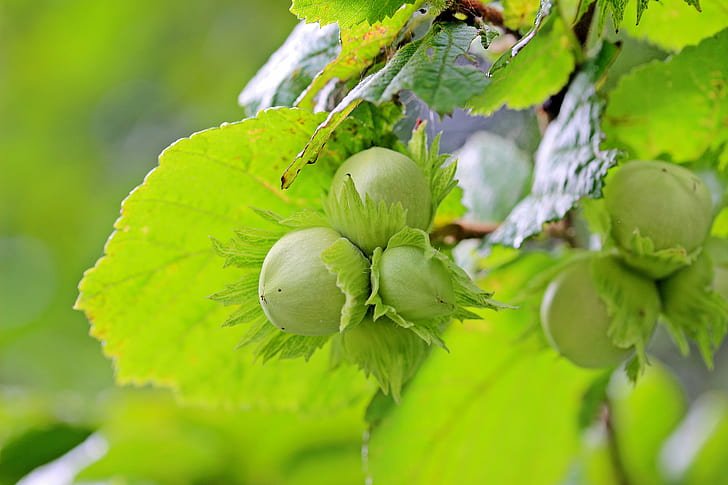
Becoming familiar enough with a plant as to identify it in the wild is such a useful new skill to unlock in life. It opens doors for you to find, recognise and utilise useful plants for food, medicine or crafts wherever in the world you may be.
If you join The Useful Plant Company on a Walk or Workshop, and you are interested in learning more about the fantastic foraging plants we have on our doorsteps in Scotland, then pattern recognition is a skill we recommend practicing as often as you can when you are out and about in nature. Start your journey with one chosen plant. Look for it in the wild. Notice where it grows, how it looks, how it smells. Seek it out in different seasons, places and times of day. Notice all the details that you can.
In Part 1 of our beginners guide to plant identification, we investigate some of the key patterns to look out for:
Season
Habitat
Type & Growth
Leaf Structure
Flower
Scent (when safe to do so)
Season
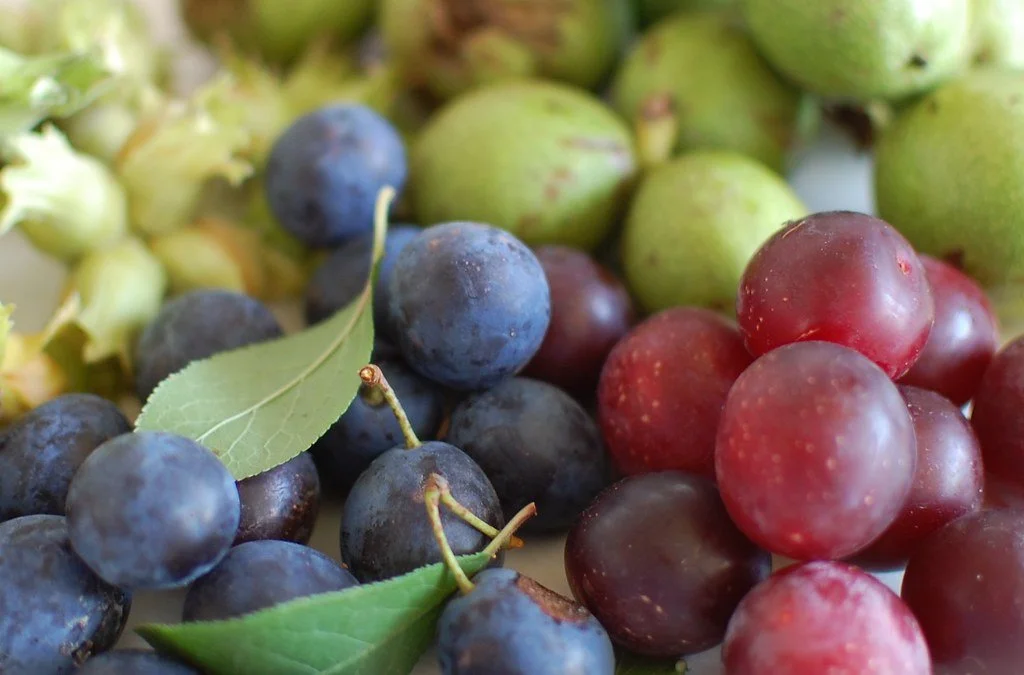
Before you even step outside to forage a plant for food, medicine or craft, it is important to know one key fact: the season of harvest. Every useful plant has its time to shine throughout the year, whether it be spring for shoots, leaves and bulbs, summer for leaves, stem and flower, autumn for fruit, nuts and berries or winter for roots and bark. One example, wild garlic, is abundant in spring in Scotland and their green shoots, buds and flowers are rich in vitamins and minerals. Alas, you you will find little trace of this plant for the remaining three seasons when all aerial parts have retreated back into the soil.
Habitat
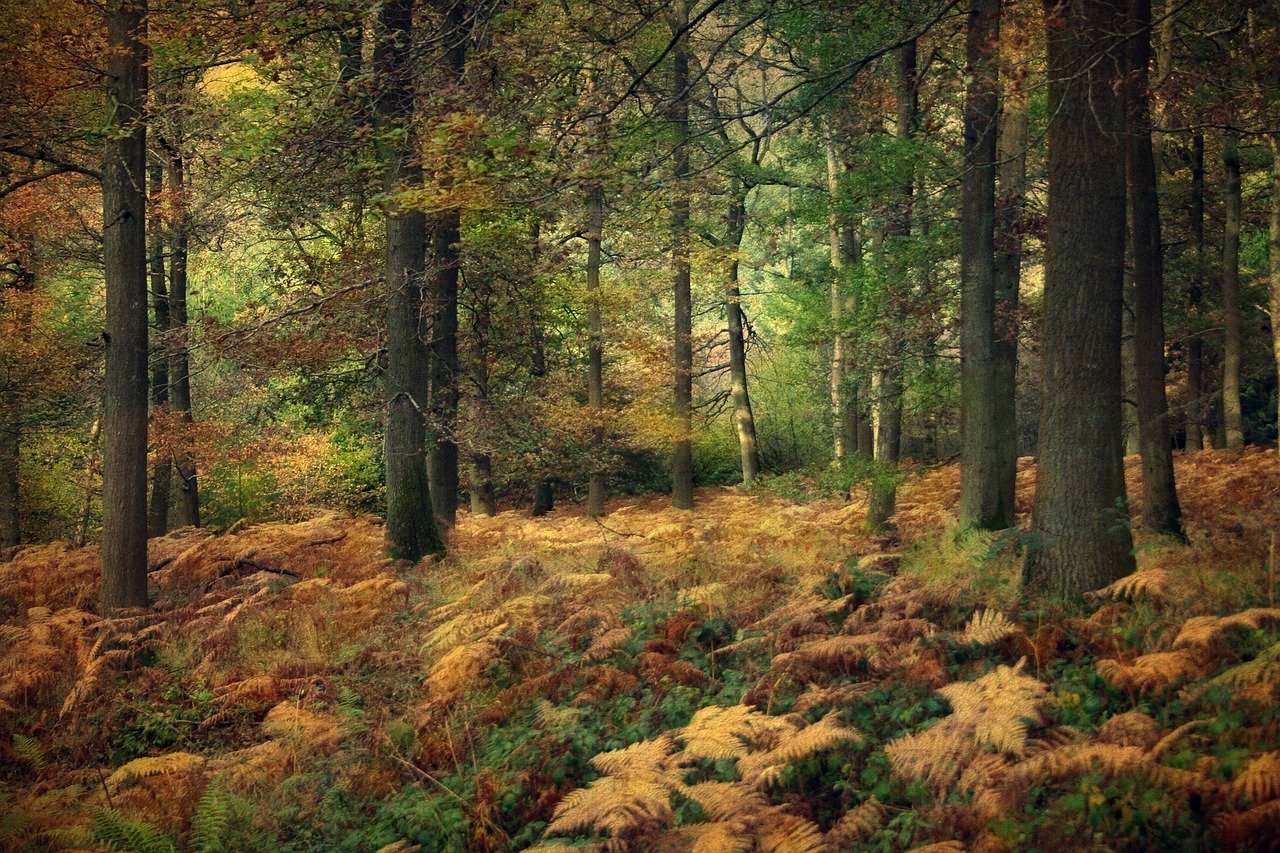
Plants are creatures of habits. Each plant has its own likes and dislikes about where it can live, so learning about a plant’s preferred habitat will give you your first clue in how to find it.
Some of our more common habitats that we may encounter on our walks and workshops include woodland, meadow, riverside, mountains, urban or parkland. Delving deeper you may find that the habitat is sandy, rocky, damp or disturbed, or perhaps in full sun or shade.
Notice the details of where a plant grows and you will most likely be able to find it growing in similar conditions elsewhere.
Type & Growth
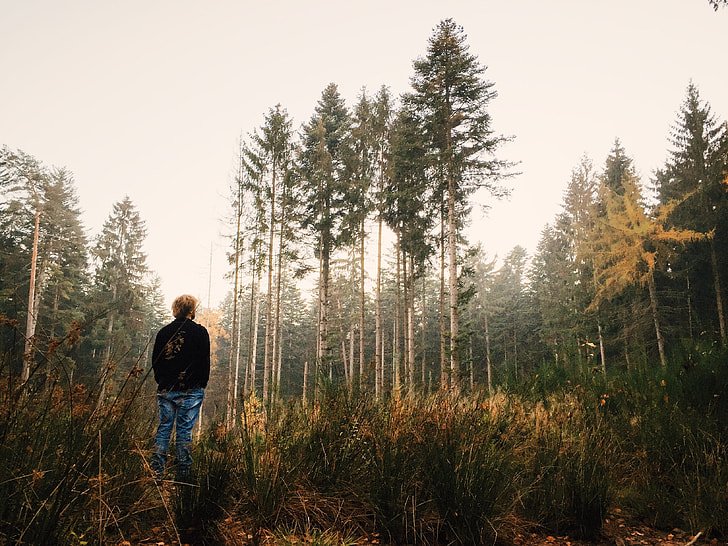
In order to search for our chosen plants in the wild, the silhouette of the plant will usually be one of the first things that we notice. How does it grow and look in the landscape. Is it a tree or a flower? Does it have a woody stem or does it die back in winter? Is it a climbing vine or a woody shrub?
Some knowledge of its habit of growth also helps. This is the overall shape and form of the plant. Does it grow in a clump on the ground, or perhaps it has weeping branches? Does it creep over the ground in a matt or rise like a tall column from the ground? These small patterns, to notice what type of plant it is and how it grows, both help with plant identification from afar.
Leaf Structure
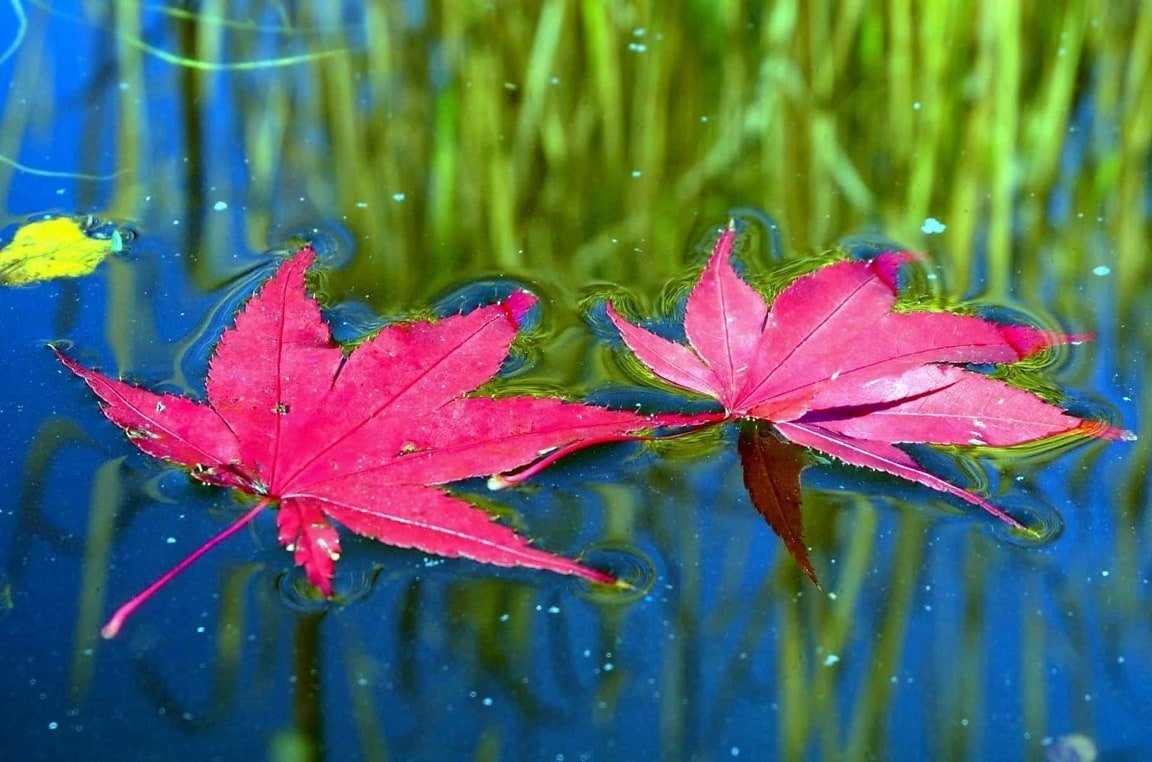
Ideantifying the season it appears, where the plant may live, and what it is supposed to look like are excellent tools in plant identification from a distance. These patterns help us notice the larger details. However, now it is time to get up close and personal with the plant to find out more. This is is one of the most important steps to master in plant identification.
The leaf stucture of plants are filled with multitudes of patterns, but it is interesting to note that each plant species has it’s own unique leaf shape, feel and margin that confirm who they are. Have a look at the leaves of your chosen plant: are they smooth or slightly fuzzy? Do they have a jagged, serrated edge or a smooth leaf margin? What about the shape of the leaf? Is it a simple, single leaf or do many leaves grow together on a stem? Do they grow opposite each other or do they grow alternately? What does the leaf look and feel like on both sides?
There are so many ways to describe the leaves of plants. Why not head outside to nature and see how many leaf patterns you can find?
Flowers
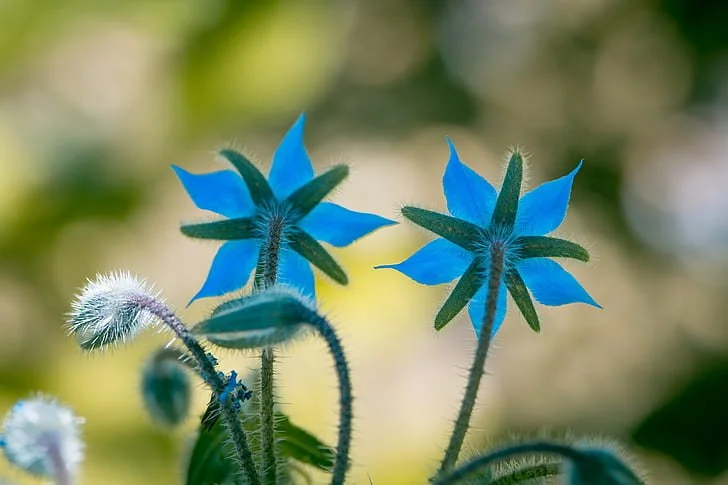
Flowers are often your final confirmation, and a key pattern in plant identification. Flowers come in so many shapes and sizes, colours and symmetries that it is important to notice these details.
How many petals does it have? Are these single petals or are they fused together? Do you see a stamen or sepals? What about the shape of the flowers?
Scent
One of the greatest tools we have in plant identification is our senses. We look at the plant, feel its texture: scent is one of the final patterns that can provide more clues as to what is in front of us.
Scent and plants often go hand in hand, for it is one of their key survival strategies. For example, when flowers are ready for pollinating, plants often release scent into the surrounding air with unique chemical signals to attract pollinators including bees and butterflies. If a leaf is gently rubbed, it may release delicate scents, a sign that it is filled with phytochemicals that may be used, for example, to combat insect attacts or heal themselves when sick.
If your chosen plant has flowers, what do you notice about the scent? Does this change if it is sunny or raining or at different parts of the day? What about the leaves; do these have any scent when touched or gently crushed in your hand? Take a deep breath of the plant as often as you can, in order to commit its scent to your olfactory memory. Once this skill has been learned, you may find that you notice the scent of a plant before you actually see it in the wild, a sign that your olfactory memory is becoming more finely tuned with practice.

So now that you have learned the basics of plant identification, we invite you to head outside and see which plant speaks to you, which plant calls you closer for another look. Watch it through the seasons, notice the habitat, the shape, the form, scent, leaf and flowers.
This simple act of watching and noticing is every plant hunter’s single greatest skill.
If you want to put these new skills to the test with a local expert guide, why not book a walk or workshop with The Useful Plant Company? We have a range of outdoor plant walks in the beautiful Highlands of Scotland that are perfect for honing your skills in a friendly group setting with an expert guide. Get in touch with us today or book online on our website.
Happy plant hunting!
The Useful Plant Company
Links & Further Reading
Plantlife’s Plant Identification Guide
Botanical Society of Britain and Ireland’s Beginner’s Guide to Botany
